
Introduction
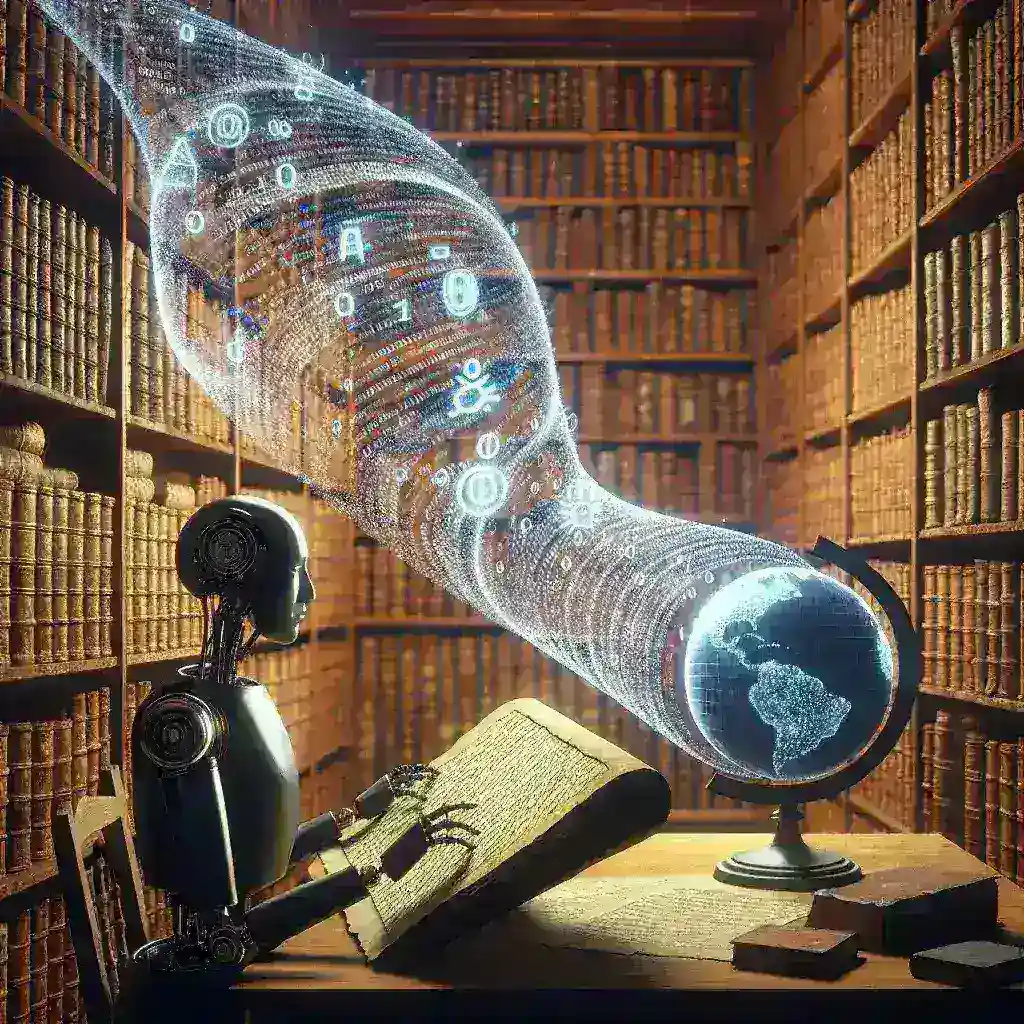
The advent of artificial intelligence (AI) technology has ushered in a new era in various fields, including the humanities. Among the most intriguing developments is the ability of AI systems to translate ancient manuscripts into digital archives, making historical texts accessible to a global audience. This article delves into the significance of these innovations, their implications for preservation, and the future of digital archives.
The Historical Context of Ancient Manuscripts
Ancient manuscripts are invaluable resources that offer insights into past civilizations, their cultures, beliefs, and languages. These texts, often written on fragile materials like papyrus, parchment, or clay tablets, can be difficult to interpret due to their age, language, and physical condition. Many manuscripts have been lost to time, while others remain hidden in libraries or private collections, awaiting translation.
Preservation of Knowledge
Before the rise of AI, translating ancient manuscripts was a labor-intensive process, often requiring the expertise of linguists and historians. With the help of AI, however, we can now automate some of these tasks, ensuring the preservation of knowledge for future generations. The digital archives created through these translations not only safeguard cultural heritage but also democratize access to this knowledge.
How AI Systems Are Transforming Manuscript Translation
AI systems use advanced algorithms and machine learning techniques to analyze text and recognize patterns. This process involves several steps:
- Data Collection: AI systems require extensive datasets of translated texts to train on. Researchers gather existing translations and original manuscripts.
- Machine Learning: The AI is trained using these datasets, allowing it to learn the nuances of the languages involved and the context of the texts.
- Translation Process: Once trained, the AI can apply its understanding to new manuscripts, providing translations that are increasingly accurate.
- Human Oversight: Despite the advancements in AI, human experts still play a crucial role in the translation process, verifying and refining the output.
Real-World Applications
Numerous projects worldwide have successfully employed AI systems to translate ancient manuscripts. One notable example is the Digital Library of Alexandria, which aims to digitize ancient texts and make them accessible online. By utilizing AI, the library has been able to translate significant works from various cultures, preserving them for future study.
The Benefits of AI-Driven Translations
AI systems bring several advantages to the field of manuscript translation:
- Increased Efficiency: Automating the translation process allows researchers to work faster and tackle larger volumes of texts.
- Accessibility: By digitizing ancient manuscripts, AI makes them available to anyone with an internet connection, breaking down geographic and linguistic barriers.
- Cost-Effective: AI can reduce the costs associated with manual translation, making it feasible for institutions with limited funding to participate in preservation efforts.
Challenges and Limitations
Despite the advantages, there are challenges associated with using AI in manuscript translation:
- Language Nuance: Many ancient languages have complex grammar and contextual meanings that can be challenging for AI to grasp fully.
- Quality Control: The risk of inaccuracies in AI-generated translations necessitates careful oversight by human experts.
- Ethical Considerations: The digitization of cultural heritage raises questions about ownership, copyright, and the potential for misuse of information.
The Future of AI in Manuscript Translation
As AI technology continues to evolve, its application in translating ancient manuscripts is likely to become even more sophisticated. Future predictions suggest:
- Improved Accuracy: Ongoing advancements in machine learning will lead to AI systems that can better understand and translate complex texts.
- Collaborative Efforts: Increased collaboration between AI developers and historians could enhance the quality of translations.
- Expanded Archives: The growth of digital archives will provide researchers and the public with unprecedented access to historical texts.
Cultural Relevance
The impact of AI systems in translating ancient manuscripts extends beyond academia. Access to historical texts enhances cultural identity and fosters a deeper understanding of human civilization. By bringing ancient knowledge into the digital age, AI contributes to a more informed global society.
Conclusion
AI systems are revolutionizing the translation of ancient manuscripts, transforming how we access and preserve our cultural heritage. The benefits of improved efficiency and accessibility are tempered by the challenges of language nuance and ethical considerations. As we look to the future, the potential for AI to further enhance our understanding of the past is both exciting and promising.
With ongoing developments in this field, we can anticipate a future where the wisdom of ancient civilizations is just a click away, enriching our knowledge and appreciation of history.
Leave a Reply